Good tyres do more than keep your car rolling. They carry every braking decision, every wet corner, every family trip home after dark. When they are right, you barely think about them. When they are wrong, nothing else on the car truly matters. I have stood on the shoulder of the A23 with drivers who swore their brakes had failed, when the reality was four mismatched, aged tyres with barely legal tread. A tyre replacement done well restores safety, confidence, and comfort. Done badly, it burns money and leaves risk on the table.
This guide distils what I’ve learned after years of helping motorists, fleet managers, and weekend tinkerers make smart choices about tyre fitting and tyre change decisions, including those specific to Croydon’s roads and climate. You’ll find the practical details you need to judge tyre condition, choose the right replacements, understand pricing, and avoid the common traps that shorten tyre life. The goal is simple: fewer surprises, fewer punctures, safer stopping, and the most miles per pound.
Why tyre replacement matters more than most drivers think
On paper, tyres are simple: a ring of rubber, steel, and fabric. On the road, they are the only part of the vehicle that touches reality. Every safety system funnels through four contact patches that together are barely the size of a sheet of printer paper. Lose grip and ABS, stability control, and clever all-wheel-drive systems can only mitigate, not cure.
In the UK, stopping distance from 50 mph on a wet road can double when tread depth drops from 3 mm to the legal minimum of 1.6 mm. Mix worn tread with an overinflated front axle or a budget tyre with a poor wet grip rating and you build a little lottery ticket of risk. Most drivers feel the difference subconsciously. The car starts washing wide on roundabouts in the rain. The traction light flickers climbing the ramp in a multistorey. Braking distances creep longer during a sudden stop at the zebra crossing on Lower Addiscombe Road. Tyre replacement eliminates these creeping compromises and restores the friction your car needs to behave predictably.
The anatomy of a tyre, in plain language
It helps to understand what you are paying for when you buy a tyre. Beneath the tread sits a network that balances flexibility and strength. The carcass plies hold the shape. Steel belts reinforce the tread area to keep it flat under load. The sidewall flexes to absorb bumps and transmit steering feel. The bead locks the tyre to the rim. Compounds vary like recipes: silica for wet grip, carbon black for durability, special polymers for cold-weather pliability.
Manufacturers blend these elements differently. A performance tyre will feature a stiffer sidewall, stickier compound, and often an asymmetric or directional tread pattern. A touring tyre leans toward comfort, longevity, and low rolling resistance. All-season tyres attempt to bridge warm and cold conditions, though in the UK climate a good rain-biased summer tyre paired with a proper winter tyre will outperform a single all-season set in their respective seasons, especially for drivers who venture beyond city streets.
Semantic triple to keep in mind: tyre compound affects grip, grip affects stopping distance, stopping distance affects safety.
Reading a tyre’s age, size, and specification without guesswork
The sidewall encodes the facts. A marking like 225/45 R17 94W tells you:
- 225 is the width in millimetres. 45 is the aspect ratio, meaning the sidewall height is 45 percent of the width. R17 is radial construction for a 17-inch rim. 94 is the load index, which maps to a maximum load per tyre (in this case around 670 kg). W is the speed rating, indicating the tyre’s certified maximum speed.
Alongside these is the DOT code, ending in a four-digit week and year marking. For example, 2822 means the 28th week of 2022. Tyres harden with age. Most manufacturers advise inspection at five years and replacement by ten years regardless of tread, especially if the vehicle sits outside or you notice sidewall cracking.
Pay attention to EU tyre labels. Wet grip, fuel efficiency, and noise ratings are not perfect, but they give a useful comparison baseline. For Croydon’s frequent rain and varied speeds from the Purley Way to residential streets, prioritise wet grip first. If your commute includes motorways, a mid-tier rolling resistance rating can save fuel without sacrificing safety.
When to replace: rules of thumb that actually work
The legal minimum tread depth in the UK is 1.6 mm across the central three-quarters of the tread circumference. Legal does not equal optimal. Treat 3 mm as your practical minimum for wet roads, and 4 mm if you regularly carry passengers or tow. Replace earlier if you see any of the following:
- Irregular wear, such as feathering or cupping, often points to misalignment or tired suspension components. Tyre change without a geometry correction wastes money. Sidewall bulges signal internal cord damage, typically from pothole impacts. Replace immediately, no exceptions. Deep cuts that expose cords or damage near the bead. Persistent pressure loss despite no visible puncture, which can indicate bead leaks or micro cracks.
Consider the calendar too. If your tyres are six to eight years old, grip will degrade even if tread remains. Rubber hardens, wet braking weakens, and ride harshness can increase. I have seen eight-year-old “garage queens” slide at suburban speeds when a summer shower lifted oil from the tarmac.
The Croydon factor: roads, weather, and driving patterns
Tyre fitting in Croydon carries its own nuances. The area mixes arterial roads like the A23 and A232 with a patchwork of residential streets and frequent speed cushions. Winters are usually mild, but temperatures often hover near the 7°C threshold where winter compounds start to outperform summer tyres. The rain is frequent enough that hydroplaning resistance matters. Potholes rise and fall with utility works and winters, and kerbing happens in tight parking bays around South End and near East Croydon.
If your routine is local, a high-quality rain-biased summer tyre suits most of the year. Drivers who head into the North Downs or commute into colder, higher areas may benefit from a second set of winter tyres from November through March. In mixed-use scenarios, a top-tier all-season tyre replacement tyre can be a fair compromise as long as its wet braking rating is excellent.
For tyre fitting Croydon services, look for shops that own modern road force balancers and can print alignment reports. A good shop will test-drive after fitting and explain any geometry anomalies. Price should reflect equipment and expertise, not just the rubber.
Choosing the right tyre for your car and your habits
Start with the vehicle’s handbook. Adhere to the load and speed ratings or better. Upsizing and downsizing can work, but keep the rolling diameter within 2 percent of original to avoid speedometer error and drivetrain stress.
Match tyre type to your priorities:
- Commuters who value comfort and low noise: touring tyres with an A or B wet grip rating, moderate rolling resistance, and reinforced sidewalls if your car is heavy or your roads are rough. Rain-dominant climates and spirited drivers: performance summer tyres that excel in wet and dry, with asymmetric tread and a proven compound. Expect quicker wear and more road feel. All-season convenience: choose premium models with strong European snow symbol if occasional icy mornings are a concern. In the wet, top-tier all-seasons now rival many summer tyres, but they typically trail dedicated summer rubber in hot dry grip. Electric vehicles: EVs are heavier, with instant torque and low cabin noise that amplifies tyre hum. Choose EV-rated tyres with robust load indices, low rolling resistance, and foam inserts where available for noise reduction. SUVs and crossovers: ensure the XL or reinforced rating matches weight. With higher centers of gravity, robust sidewalls improve steering precision and stability over speed cushions.
If you prefer a brand shortlist, think in tiers. Premium brands invest heavily in compound chemistry and carcass design. Mid-range often sells former premium tech at friendlier prices. Budget tyres vary widely; some are adequate in dry city driving, many struggle in wet emergency stops. Over years of testing and customer feedback, a pattern is clear: a mid-range tyre with strong independent wet braking results outperforms a budget tyre in ways that matter when you need grip yesterday.
Mixing tyres: when it’s acceptable and when it isn’t
Perfect practice is a matched set of four identical tyres. Real life involves nails, budgets, and timing. If you must mix, keep the following principles:
- Match across each axle, both size and model. New tyres on the rear axle, even in front-wheel drive cars. This prevents sudden oversteer during emergency manoeuvres on wet roads. Plenty of drivers contest this until a wet roundabout reminds them otherwise. Avoid mixing summer with winter or all-season on the same axle. Different compounds and tread designs respond differently to temperature and water, complicating stability control interventions. If your car is AWD or 4WD with sensitive differentials, maintain equal rolling diameters to protect the transfer case. Check the manufacturer tolerance for tread depth differences, often in the 2 to 3 mm range.
The tyre fitting process, explained step by step
A proper tyre change does more than swap rubber. It leaves your wheels sealed, balanced, and your steering geometry checked. Here is the flow you should expect with competent tyre fitting:
- Pre-inspection: the technician checks wheel condition, existing tyre wear patterns, valve state, and confirms the size and load index you ordered. This is the moment to ask about any abnormal wear you’ve noticed. Dismount and prep: the bead is broken, the old valve removed, and the rim inspected for cracks, buckles, or corrosion. Alloy corrosion on the bead seat often causes slow leaks and needs cleaning. Valve and TPMS care: new standard valves are fitted as a matter of course. For TPMS sensors, the shop should use correct service kits with new seals and collars. TPMS batteries typically last 5 to 10 years; if you are nearing that window, consider sensor replacement during tyre fitting to avoid future labour duplication. Mounting: orientation matters. Asymmetric tyres have inside and outside faces. Directional tyres have rotation arrows. Errors here are more common than you’d think. Inflation and seating: the tyre is inflated to seat the beads, then set to the recommended cold pressure from your door placard, adjusted if needed for load and speed. Balancing: static and dynamic balance corrects wobble and shimmy. On sensitive cars, a road force balance can reduce vibrations that standard balancing misses. Final torque: wheel nuts or bolts must be torque-wrenched to spec, not hammered on with air guns. The shop should re-torque after a short bedding period if requested. Alignment check: at minimum, a quick gauge. Ideally, a full four-wheel alignment if you are seeing uneven wear or have replaced suspension components. Alignment restores straight-line stability, steering feel, and tyre life.
When seeking tyre fitting Croydon wide, ask whether the shop includes new valves, balances all wheels, disposes of old tyres responsibly, and provides a printout of any alignment adjustments. Cheap quotes often split these services out as add-ons, and the real bill ends up similar or more.
How to avoid common mistakes that shorten tyre life
The quickest way to waste money on tyres is to run wrong pressures and ignore alignment. Underinflation by 5 psi can raise tread temperatures, slow steering response, and increase fuel consumption. Overinflation sharpens impacts and wears the center tread. Both change your contact patch, which changes braking distance. Set pressures cold, check monthly, and adjust for heavy loads or motorway trips.
Second, do not skip rotation if your car and tyre type allow it. Many front-drive cars benefit from rotating front to back every 5 to 7 thousand miles, as the driven axle wears faster. Do not rotate directional tyres side to side unless remounted, and never rotate if the manufacturer forbids it, as with some staggered setups or directional/asymmetric mixes.
Third, mind your driving. Hard cornering on cold tyres, aggressive kerb strikes while parking, and blitzing speed cushions all add up. A smooth approach preserves carcass integrity and compound life without making you a slow driver. In wet weather, scan for standing water, especially on tram-adjacent roads where drainage can be patchy. Hydroplaning at 40 mph with worn tread feels like a sudden power cut to grip.
Punctures, repairs, and when replacement is the only safe route
Most punctures occur in the tread area. If the hole is within the repairable zone and small (commonly up to 6 mm for passenger tyres), a proper mushroom plug-patch from the inside is a reliable, durable fix. Plug-only repairs from the outside are a temporary measure at best. Sidewall punctures are not safely repairable because the sidewall flexes and bears stress differently from the tread.
If you pick up a screw near the shoulder and the repair shop hesitates, trust that instinct. I have seen borderline shoulder repairs fail under emergency lane changes. Tyres are cheaper than crash repairs.
Run-flat tyres complicate things. If driven too far while deflated, internal damage can be invisible but serious. Many manufacturers restrict repair of run-flats, and insurers sometimes have views here too. For electric cars, be cautious with sealant. Many EVs skip a spare and provide a sealant kit that can destroy TPMS sensors or make professional repair difficult. Use sealant only to reach safe ground and explain it to the tyre fitter before dismounting.
Tyre change Croydon costs: what drives the price and where to save
Tyre pricing weaves brand, size, speed and load ratings, seasonal type, and local demand. In Croydon, popular sizes like 205/55 R16 or 225/45 R17 are widely stocked and competitively priced. Large SUV and EV sizes, such as 235/50 R19 or 255/45 R20, fluctuate more and often require ordering.
Expect the following to influence the bill:
- Brand tier: premium carries a higher price but often returns better wet braking, longer life, and less noise. Mid-range can be excellent value. Budget is variable; scrutinise wet grip data and independent tests. Fitting extras: disposal, valves, balancing, and TPMS service kits add necessary costs. A quote that includes everything is the fairest comparison. Alignment: a full four-wheel alignment adds to the invoice but can double tyre life when correcting significant toe or camber errors. Seasonal demand: first cold snaps and spring pothole season drive spikes in tyre replacement Croydon wide. Booking ahead can preserve choice and price.
To save money without cutting safety, pick a top mid-range tyre with proven test results, leverage seasonal promotions, and replace in pairs or sets when possible to avoid odd sizes going out of stock. If your driving is low mileage, a long-life touring tyre might harden before it wears out, so choose something with a balance of comfort, wet grip, and moderate wear rate rather than chasing maximum longevity.
Warranty, road hazard cover, and what they actually mean
Tyre warranties traditionally cover manufacturing defects, not punctures or impact damage. Road hazard plans, when offered, extend protection to nails, potholes, and sometimes kerb strikes. Read the conditions. Many require minimum tread depth at the time of claim and repair attempts before replacement. If you navigate construction zones or park on-street near busy retail areas, these plans can pay for themselves.
Some shops offer free puncture repairs for the life of the tyre, rotations, and pressure checks. These services build loyalty, and drivers who use them typically run with better pressures and alignment, which saves both tyres and fuel.
Driving dynamics: how fresh tyres transform a car
There is a small thrill in driving away after a well-judged tyre change. The steering has weight again, the car tracks straight, and braking feels immediate rather than rubbery. Tyres speak quietly to your hands and seat. Touring compounds damp the harshness of CAT-type speed cushions common in Croydon. Performance compounds bite into wet tarmac on the tail of a summer storm. On a motorway run to Gatwick, the cabin hum drops a few decibels with fresh, round rubber. None of this is placebo. It’s friction, geometry, and compliance working as intended.
How alignment, suspension, and tyres form a system
Tyres wear last, after suspension geometry has already drifted. If your track rod ends are tired, a bushing is split, or a shock is weeping, the tyre will report it as inner-edge wear, feathering, or cupping. Croydon tyre change specialists Alignment corrects angles within factory tolerances, but only if the components are healthy. When I see sharp inner-edge wear on a front-wheel-drive hatchback, I inspect lower arm bushes and ball joints before adjusting toe. Spending a little on a control arm saves hundreds in premature tyre replacement.
Ride height changes from lowering springs or coilovers alter camber curves and toe under compression. If you modify suspension, invest in a proper alignment to new specs. Wider wheels and tyres can improve grip but also tramline on Croydon’s grooved roads. A small increase in section width is usually fine; a dramatic increase without alignment can make the car wander and chew the inner shoulders.
Seasonal strategy: summer, winter, or all-season for South London
Croydon’s climate rarely brings weeks of deep snow. It does bring wet, single-digit mornings and the occasional icy patch on untreated residential roads. For drivers with early starts or late finishes, winter tyres transform cold-weather braking and hill starts. A simple test: on a 3 to 5°C morning, brake from 30 mph on a safe, empty stretch. Winter tyres stop shorter and straighter than summer tyres, even in the dry, because the compound stays pliable. When temperatures climb consistently above 7 to 10°C, swap back to summer tyres to avoid mushy handling and accelerated wear.
All-season tyres are better than ever. If convenience wins and you do not chase lap times on hot days, a high-quality all-season with the snowflake symbol offers real cold-weather security and consistent wet braking. For drivers who venture to the countryside or into the Downs during frosty months, a dedicated winter set on steel wheels keeps alloys tidy and swaps quick.
EV and hybrid considerations: weight, torque, and silence
Electric vehicles challenge tyres with immediate torque, regenerative braking, and higher curb weights. Hybrids add weight and frequent stop-start cycles. Choose tyres with:
- Higher load indices than their ICE equivalents to handle mass without overheating. Robust shoulder construction and compounds rated for EV torque. Low rolling resistance for range, but not at the expense of wet grip. Efficiency labels help, but cross-check independent wet braking tests. Noise-optimised designs, sometimes with foam inserts. The quieter cabin exposes tyre roar you never noticed before.
Check pressures more often. EVs are sensitive to underinflation, which drags range and warms tread. Rotation becomes more valuable due to the torque load on driven wheels.
Run-flats, space savers, and repair kits: what works on real roads
Run-flats allow limited driving after a puncture, typically 50 miles at 50 mph. They buy convenience but trade ride comfort and cost. If your car was designed around run-flats, switching to conventional tyres may improve comfort but could require a mobility kit or spare solution and could influence the tuning of stability systems in subtle ways. Speak with a specialist who knows your platform.
Space saver spares are a blessing when you just need to get moving. Observe speed restrictions and replace or repair the full-size tyre promptly. Sealant kits have their place but complicate repairs and can ruin TPMS sensors. Use them only when you must and tell the tyre shop in advance.
The environmental side: disposal, retreads, and extending life responsibly
Responsible tyre replacement includes disposal through licensed handlers. Tyres are recycled into surfaces for playgrounds, sports pitches, and civil engineering projects. Ask your fitter how they manage waste.
Retreaded tyres once had a poor image, but modern processes for commercial vehicles are robust. For passenger cars, retreads are rare in the UK market. If you see an unbelievably cheap “remanufactured” deal, check certification and provenance carefully.
Extend tyre life through modest habits: correct pressure, gentle warm-up in cold weather, avoiding scrubbing the steering while stationary, and aligning after suspension work. These choices cut emissions from manufacturing and transport, not just your costs.
What great tyre fitting Croydon service looks like
A good local fitter does three things well: listens to how you drive, matches tyres to those needs, and executes with care. Look for:
- Transparent quotes that include valves, balancing, and disposal, with TPMS service items itemised. A willingness to say no to unsafe repairs, especially shoulder and sidewall issues. Alignment capability and clear explanations of any wear patterns found. Accurate torqueing, tidy wheel handling to avoid kerb rash, and protection for locking wheel nuts. Post-fit advice on pressures for your typical load and speed.
If you are booking a tyre change Croydon way for a family car that mostly stays local, you might hear a recommendation like a mid-range touring tyre with excellent wet grip and reinforced sidewalls for speed cushions. For a performance hatch that sees weekend blasts, a premium summer tyre with asymmetric tread and stiff sidewalls. For an EV, an EV-marked tyre with a higher load rating and low rolling resistance.
Tyre replacement Croydon timing: plan ahead, don’t scramble
Most last-minute tyre purchases follow punctures or MOT advisories. You can do better. Check tread depth monthly with a gauge. At 3 to 4 mm, start researching options and booking fitting. This timing keeps you in control of brand and price rather than accepting whatever is on the shelf when you are stranded near Whitgift.
Rotations, alignment checks after heavy pothole seasons, and a spring inspection after winter all help you spot slow trends. If you share the car, agree on a pressure check routine. A simple habit saves tread and avoids TPMS warnings during school runs.
Practical checklist for safe, sensible tyre replacement
- Confirm the exact size, load, and speed ratings from your door placard or handbook, then match or exceed them when ordering. Prioritise wet grip ratings and independent test results over brand name alone, especially for mixed city and A-road driving. Replace in pairs or sets, fit new tyres to the rear axle, and avoid mixing seasonal types on the same axle. Insist on new valves, correct TPMS servicing, proper balancing, and torque-wrench tightening. Ask for an alignment check if you see uneven wear. Set pressures cold, recheck after a week, and monitor monthly. Adjust for heavy loads or motorway trips as specified by the manufacturer.
How to talk to your fitter and get the best outcome
Describe your driving like a story rather than a statistic. “School runs with two kids, weekly shop in Purley, occasional M25 to visit family, and I hate when the car squirms on wet roundabouts.” This gives a technician enough context to steer you to the right tyre.
Ask for two or three options across price tiers with a sentence on each: what it’s good at, where it compromises. If someone tries to sell purely on brand prestige without addressing your use case, press for specifics like wet braking distance and noise levels. Good fitters relish that conversation.
A few real-world scenarios and what I recommend
The overworked commuter: Long A23 stretches, stop-start traffic, and occasional Gatwick runs. Choose a quiet touring tyre with A-rated wet grip, reinforced sidewalls for pothole resilience, and moderate rolling resistance. Book tyre fitting early evening to avoid daytime queues.
The spirited driver: Light hatchback, backroads on weekends, careful in traffic. Choose a performance summer tyre with strong wet lateral grip and consistent feel near the limit. Accept slightly faster wear. Align twice a year to keep the steering alive.
The EV family car: Heavy crossover, silent cabin, loads of torque. Choose an EV-marked tyre with high load index, foam noise reduction if available, and top wet braking. Rotate every 6 to 7 thousand miles. Watch pressures like a hawk.
The low-mileage local: Retired couple, short trips to shops and GP. Avoid ultra-hard “long life” tyres that glaze with age. Pick a comfortable, wet-grip-focused tyre that warms quickly. Check DOT codes at purchase to ensure you are not getting stock that is already years old.
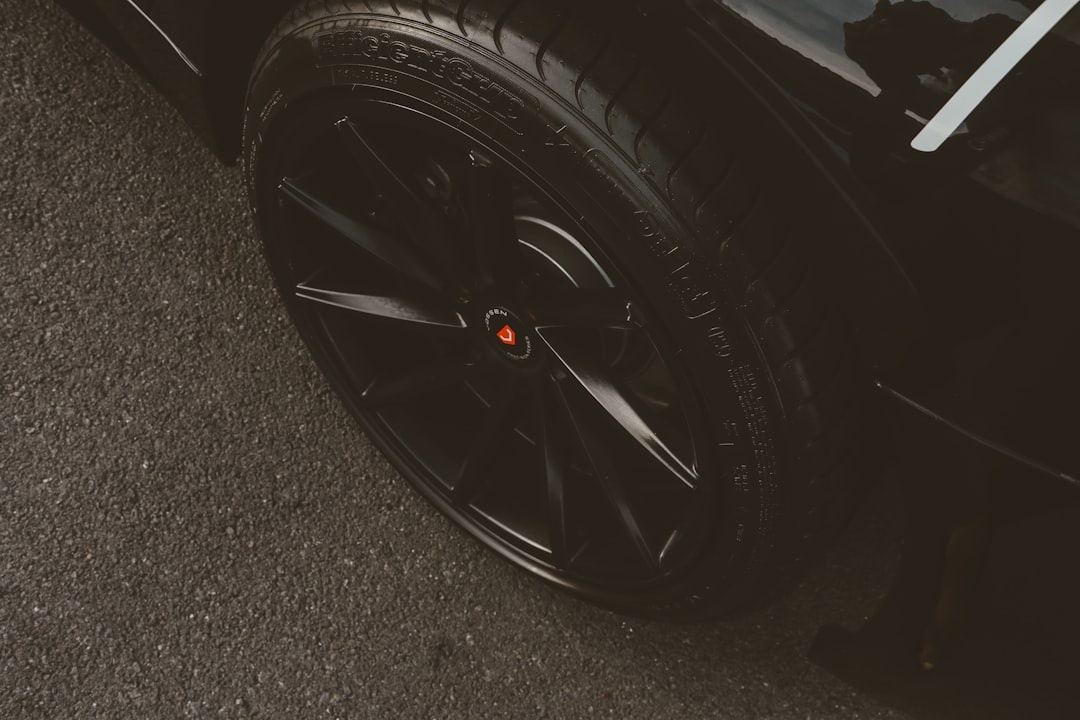
What to do after fitting: the first 500 miles
New tyres have a release agent residue that scrubs off in the first few dozen miles. Brake distances can be slightly longer at first. Drive with a margin for 100 to 150 miles to bed the tread. Listen for vibrations and ask for a re-balance if anything feels off. Recheck pressures after a week to account for slow seating and temperature shifts.
Keep an eye on alignment if the steering wheel isn’t centred or the car pulls. A quick return visit can prevent early shoulder wear. This is also a good moment to set reminders for monthly pressure checks and a rotation schedule if applicable.
Bringing it all together
Tyres turn ordinary cars into trustworthy companions. Getting tyre replacement right means pairing honest assessment with smart choices. Measure your tread, read your sidewall, and translate your daily drive into tyre characteristics that serve you. In Croydon, where rain, roundabouts, and varying road surfaces define day-to-day driving, a careful tyre change pays dividends in safety and calm. Whether you choose premium or a value-packed mid-range, insist on proper tyre fitting, alignment where it counts, and pressures that match your life rather than the one-size-fits-all on a placard.
If you treat tyres as part of a system, you will feel the difference every time you brake for a crossing, arc through a wet bend, or glide over patchwork tarmac. That feeling is not luxury. It is competence, restored. And it is the best return on investment you can buy for a car that must carry the things and people you care about.
For drivers seeking tyre fitting Croydon services, approach the decision with this framework: clear priorities, reputable shop, careful installation, and ongoing care. Do that, and your next tyre change will be unremarkable in the best possible way, a quiet success measured in shorter stops, straighter tracks, and thousands of uneventful miles.
Tyre Fitting & Tyre Replacement FAQs
Quick answers to common questions about tyre fitting & replacement, tyre safety, and tread checks.
How much does a tyre fitting service cost?
The cost of a tyre service typically depends on the tyre size, tyre brand, vehicle type, and location. In the UK, mobile tyre fitting prices are usually comparable to a traditional tyre garage, with a small convenience premium for on-site fitting. Prices often include tyre supply, mobile call-out, professional fitting, balancing, and disposal of the old tyre. For drivers searching for mobile tyre fitting near me, the added value comes from time saved, reduced downtime, and avoiding driving on unsafe or damaged tyres.
Can tyres be fitted at home?
Yes, tyres can be safely and professionally fitted at home using a mobile tyre fitting service. Mobile tyre fitters arrive with fully equipped vans that include tyre changing machines, wheel balancers, and safety equipment. Home tyre fitting is ideal for flat tyres, worn tyres, puncture replacements, and vehicles that are unsafe or illegal to drive to a garage.
What is the 3% tyre rule?
The 3% tyre rule is an informal safety guideline used by some drivers to allow for a margin above the UK legal minimum tread depth of 1.6mm. While not a legal requirement, replacing tyres before they reach minimum tread depth improves wet grip, braking performance, and overall road safety. Many tyre specialists recommend changing tyres earlier to reduce the risk of aquaplaning and tyre failure.
Is a mobile tyre shop any good?
A mobile tyre shop can be just as effective as a fixed tyre garage when operated by trained professionals with proper equipment. Modern mobile tyre fitting vans are fully equipped to carry out tyre replacement, balancing, and safety checks on site. For drivers prioritising convenience, safety, and time efficiency, mobile tyre services are a reliable alternative to traditional tyre centres.
Is mobile tyre fitting worth it?
Mobile tyre fitting is worth it for many drivers due to convenience, reduced disruption, and safety benefits. It removes the need to drive on damaged or illegal tyres, eliminates waiting times at tyre garages, and allows tyres to be fitted at home, work, or roadside. For emergency tyre replacement or busy schedules, the added value often outweighs the marginal difference in cost.
What is the 20p trick for tyres?
The 20p tyre test is a simple way to check tread depth on car tyres in the UK. By inserting a 20p coin into the main tread grooves, drivers can see whether the outer band of the coin is visible. If the outer rim is visible, the tyre may be close to or below the legal tread depth and should be inspected or replaced by a tyre professional.
How long does a mobile tyre fitting take?
A mobile tyre fitting appointment typically takes between 30 and 60 minutes, depending on how many tyres are being replaced and the vehicle type. Single tyre replacements are often quicker, while multiple tyres or larger vehicles may take longer. Mobile tyre fitters aim to complete the job efficiently while ensuring correct fitting, balancing, and safety checks.
Does mobile tyre fitting include balancing?
Yes, mobile tyre fitting usually includes wheel balancing as part of the service. Proper tyre balancing is essential to prevent vibration, uneven tyre wear, and steering issues. Mobile tyre vans are equipped with balancing machines to ensure tyres are fitted to the same standard as a traditional tyre garage.
Are car tyres over 10 years old illegal?
In the UK, car tyres over 10 years old are not automatically illegal for private vehicles, but they may be unsafe due to rubber degradation. Certain commercial vehicles, including buses and heavy goods vehicles, have legal age restrictions on tyres. Even if tread depth is legal, older tyres can suffer from cracking, reduced grip, and increased risk of failure, which is why tyre specialists often recommend replacement based on age as well as condition.
Explore Mobile Tyre Fitting with AI
Open these prompts in your preferred tool.
- 🤖 ChatGPT
- 🔍 Perplexity
- 🤖 Claude
- 🔮 Google AI
- 🐦 Grok
Mobile Tyre Fitting in Croydon, Near Local Landmarks
If you have searched for tyre fitting, emergency tyre replacement, or tyre fitting near me, you are usually looking for one thing: a professional tyre service that comes to your exact location. Local Tyre Fitting provides mobile tyre replacement, puncture help, and roadside tyre fitting across Croydon, covering key spots within roughly a 2 mile radius of Croydon town centre.
Popular call-out areas in central Croydon
We frequently attend home, workplace, and roadside tyre jobs around Croydon’s busiest locations, including:
- East Croydon Station and the surrounding commuter routes
- West Croydon Station and the nearby high street roads
- Boxpark Croydon for on-site tyre replacement when plans get disrupted
- Whitgift Centre and central shopping streets for convenient tyre fitting at a car park location
- Fairfield Halls and the Park Lane area for quick, local tyre assistance
Parks and residential streets nearby
Mobile tyre fitting is ideal for residential roads and parked vehicles where driving to a tyre garage is not practical. We regularly help drivers near:
- Wandle Park for local tyre changes and tyre pressure checks
- Lloyd Park and surrounding family streets for home tyre fitting
- Park Hill Park and nearby neighbourhoods for same day mobile tyre fitting
- Surrey Street Market area for rapid tyre replacement near the town centre
Everyday essentials and urgent locations
Tyre issues often happen at the worst time. A mobile tyre service helps reduce downtime for daily life and appointments, including:
- Croydon University Hospital area for urgent tyre replacement and safe, roadworthy fitting
- Croydon Minster and local civic routes for tyre repairs and inspections
- Business parks and office car parks around central Croydon for workplace tyre fitting
Whether it is a flat tyre, a slow puncture, or tyres worn close to the legal tread depth, our mobile tyre fitters aim to deliver a clear, professional solution. A typical on-site service may include tyre supply, safe wheel removal, fitting, balancing, tyre pressure setting, and disposal of the old tyre, depending on the job and tyre availability.
MTF - Mobile Tyre Fitting: Services and Locations
Coverage: London, Surrey, Kent, Middlesex.
Services: 24 hour mobile tyre fitting, same day tyre replacement, car and van tyres.
Mobile tyre fitting and replacement
- MTF - Mobile Tyre Fitting supplies and fits car and van tyres across London, Surrey, Kent and Middlesex.
- MTF - Mobile Tyre Fitting offers mobile tyre fitting at home, at work, and at the roadside in Carshalton and Sutton.
- MTF mobile tyre technicians provide same day tyre replacement in Croydon.
- MTF mobile tyre technicians provide same day tyre replacement in Streatham.
- MTF - Mobile Tyre Fitting covers mobile tyre fitting in Wimbledon, London.
- MTF - Mobile Tyre Fitting covers mobile tyre fitting in Kingston, London.
- MTF - Mobile Tyre Fitting covers mobile tyre fitting in Purley, Surrey.
- MTF - Mobile Tyre Fitting covers mobile tyre fitting in Tadworth, Surrey.
- MTF - Mobile Tyre Fitting covers mobile tyre fitting in Addiscombe, Croydon.
- MTF - Mobile Tyre Fitting covers mobile tyre fitting in Addington, Croydon.
- MTF - Mobile Tyre Fitting covers mobile tyre fitting in South Croydon.
- MTF - Mobile Tyre Fitting covers mobile tyre fitting in Brixton, London.
- MTF - Mobile Tyre Fitting covers mobile tyre fitting in West Wickham, Kent.
Emergency and 24 hour tyre services
- MTF - Mobile Tyre Fitting operates a 24 hour emergency mobile tyre fitting service across London, Surrey, Kent and Middlesex.
- MTF - Mobile Tyre Fitting offers 24 hour mobile tyre fitting in Croydon.
- MTF - Mobile Tyre Fitting offers 24 hour mobile tyre fitting in Purley.
- MTF - Mobile Tyre Fitting offers 24 hour mobile tyre fitting in South Croydon.
- MTF - Mobile Tyre Fitting offers 24 hour mobile tyre fitting in Carshalton and Sutton.
- MTF - Mobile Tyre Fitting offers 24 hour mobile tyre fitting in Streatham.
- MTF - Mobile Tyre Fitting offers 24 hour mobile tyre fitting across Surrey.
- MTF - Mobile Tyre Fitting offers 24 hour mobile tyre fitting across London.
- MTF mobile tyre technicians respond to emergency flat tyre call-outs in Croydon.
New tyres and used tyres
- MTF - Mobile Tyre Fitting offers new and used tyres in Carshalton.
- MTF - Mobile Tyre Fitting offers new and used tyres in Streatham.
- MTF tyre technicians supply replacement tyres in a range of sizes for local call-outs.
Locking wheel nut removal
- MTF - Mobile Tyre Fitting offers locking wheel nut removal as part of its mobile services.
- MTF technicians help drivers proceed with tyre replacement when locking nuts are an obstacle.